Fix
How to Stop Macrame Cord Ends From Unravelling
Published
As an Amazon Associate we earn from qualifying purchases. This does not change our picks. Affiliate disclosure
New to Prime? Try Prime free for fast, free shipping on eligible items.
Short answer
Wrap tape around the cord before you cut it and cut through the middle of the tape, or tie an overhand knot near each end while you work. For ends that stay in the finished piece, use a dab of clear-drying glue, or end caps on jewelry cord. Only synthetic cord can be heat sealed. Cotton burns instead of melting, so never use a flame on it.
Gear for this job
All 7 picks comparedCridoz waxed polyester 1 mm, 20 rolls, 500 yd
See price on AmazonSee it on AmazonBeadsmith Knot It Waxed Polyester Cord, 0.7 mm
See price on AmazonSee it on AmazonWillingTee waxed polyester 1 mm, 40 colors, 437 yd
See price on AmazonSee it on Amazon
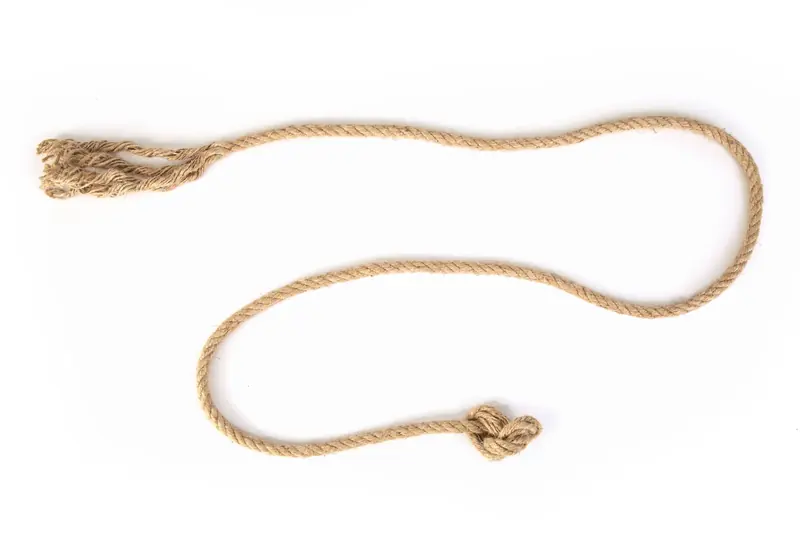
Twisted cotton cord is held together only by its twist, so a cut end starts to open as soon as it is handled. That is useful when you want fringe and a nuisance everywhere else. Fluffy ends will not go through a bead, they tangle, and every trim shortens the cord you have left to knot with. Which fix fits depends on two things: whether the end is temporary (it will be trimmed or combed out later) or permanent, and whether the cord is cotton or synthetic. The fixes below run from the least effort to the most.
Why is my macrame cord unravelling? Match the end to the fix
Rows run from the most common case to the least. Temporary fixes come off or are trimmed away at the end. Permanent ones stay in the finished piece, so they have to be neat or hidden.
| What you see | Likely cause | What to do |
|---|---|---|
| Ends untwist and fluff up while you knot | Single strand or 3 ply cotton with bare cut ends | Wrap each end with tape or tie an overhand knot |
| Cord frays the moment it is cut | Cut made through bare twisted cord | Wrap tape first, then cut through the middle of the tape |
| End too fluffy to pass through a bead | Fibers have spread at the tip | Trim the fluff and tape the end to a point |
| Trimmed ends on a finished piece keep fraying | Short cotton ends with nothing holding the twist | Work a dab of clear-drying glue into each end |
| Bracelet or necklace cord frays at the clasp | Thin cord ends left bare | Fit end caps, or heat seal synthetic cord |
| Polypropylene, polyester or nylon cord fuzzes at the cut | Synthetic fibers not sealed | Heat seal the end. Never do this to cotton |
| Cord untwists along its length, not only at the end | Single strand cord losing twist as it is handled | Roll it between your fingers in the direction of the twist |
Which macrame cord unravels most?
How fast an end opens depends on the construction, not on the brand. The looser the twist, the faster it goes. That is why the cords that make the softest fringe are also the ones whose ends need protecting. The three constructions are compared in macrame cord types.
| Construction | What the cut end does | What it needs |
|---|---|---|
| Single strand cotton | Untwists fastest and fluffs into loose fiber | Tape or a knot from the first cut |
| 3 ply cotton | Separates into three plies, then each ply untwists | Tape or a knot |
| Braided cotton | Holds its end. The braid does not unravel | Usually nothing. A dab of glue for a clean finish |
| Braided polypropylene, polyester or nylon | Holds its braid, but the cut end can fuzz | Heat seal |
| Waxed polyester or nylon knotting cord | Holds well. Used for jewelry and does not fringe | Heat seal, or end caps at a clasp |
While you work: tape or an overhand knot
Tape is the least effort and the best habit. Before cutting, wrap one or two turns of masking tape or painter's tape tightly around the cord at the cut mark, then cut through the middle of the tape. Both new ends come away sealed. Tape also turns a soft end into a firm tip, which is how to get cord through a bead: tape the end to a point.
An overhand knot does the same job with no supplies. Tie it close to the end of each cord, about 1 in (2.5 cm) in, and pull it tight. It suits pieces that will have fringe, because the knots are simply cut off before combing. Each knot and each trimmed end costs a little cord, which the usual margin of 10 to 15 percent covers. The cord calculator adds that margin for you.
Note.Check the ends again after untying a knot. Pulling a cord back out of a knot loosens its twist, and that is when fraying starts again.
Best glue for macrame cord ends
For ends that stay in the finished piece, glue holds the twist for good. Use one that dries clear and stays flexible: fabric glue, or white craft glue that dries clear. Put a small dab on the cut end, work it into the fibers with a toothpick and roll the end between your fingers to a neat tip. Leave it to dry for the time on the label before the piece is handled.
Glue changes the look of cotton. It can darken the fiber slightly and it leaves the tip stiff, so try it on a scrap of the same cord first and keep it for ends that are hidden or very short. Hot glue is used the same way to fix cut ends flat against the back of a wall hanging, where it will not be seen. On fringe ends that should stay soft, a light mist of hairspray or fabric stiffener gives a gentler hold.
Macrame cord end caps for bracelets and necklaces
End caps are small metal tubes or fold-over crimps that cover the cut end and give a clasp something to attach to. They are a jewelry finish for 1 to 2 mm cord, not for wall hangings or plant hangers. Choose the cap by its inner diameter: it has to match the cord, or the bundle of cords, that goes into it. Glue-in caps take a drop of jewelry adhesive inside before the cord is pushed in. Fold-over crimps are closed over the cord with flat nose pliers, one flap at a time.
Note.Tape the cords together and trim the bundle square before fitting a cap. A clean flat end seats deeper and holds better than a frayed one.
Heat sealing: synthetic cord only
Polypropylene, polyester and nylon melt, so a cut end can be fused into a hard tip that will not fray. It is the usual finish for outdoor cord, for waxed jewelry cord and for the 6 mm braided polypropylene used as lawn chair cord. Hold the end close to the side of a small flame, not in it, until the fibers start to melt. Then take it away and let it cool before you touch it. Melted cord is hot and sticks to skin.
Cotton cannot be heat sealed. It does not melt. It chars and can catch fire, and so can jute and hemp. Blends are unpredictable, so treat a cord as cotton unless the label says it is fully synthetic. Work away from anything flammable, and that includes the rest of the cord and any fringe on the piece.
How to stop macrame cord from fraying on the next project
Fraying is easier to prevent than to repair, because a frayed end has to be trimmed back and the cord gets shorter each time. If the ends are meant to open, that is fringe, and it is done on purpose at the very end: see how to fray and comb macrame fringe. Faults in the knotting itself are on the common macrame mistakes page.
- Tape before every cut, not after. One wrap, one cut through the middle, and both ends are sealed.
- Seal every end before the first knot: tape on pieces that will be trimmed, overhand knots on pieces that will have fringe.
- Roll long cords into bundles held with a rubber band, so the ends are not dragged across the work.
- Pick the cord for the finish: braided if nothing should fray, single strand if the ends will be combed into fringe.
- Leave the tape or knots on until all the knotting is finished. Fringe work comes last.
Quick answers
Short answers on macrame cord ends. The two rules that matter most: tape goes on before the cut, and a flame is for synthetic cord only.
- How to stop macrame cord from fraying? Wrap tape around the cord before cutting, or tie an overhand knot near each end. Use clear-drying glue for ends that stay in the piece.
- What is the best glue for macrame cord? A clear-drying, flexible fabric glue or white craft glue. Work a small dab into the cut end and test it on a scrap first.
- Are macrame cord end caps for cotton cord? Yes, on thin jewelry cord of 1 to 2 mm. Match the inner diameter of the cap to the cord, then glue or crimp it on.
- Can you burn macrame cord ends? Only synthetic cord such as polypropylene, polyester or nylon. Cotton chars and can catch fire.
- Which macrame cord does not unravel? Braided cord holds its end. Single strand and 3 ply start to open as soon as they are cut.