How to Make Macrame Earrings That Stay Light and Hold Their Shape
Published
Gear for this job
All 7 picks compared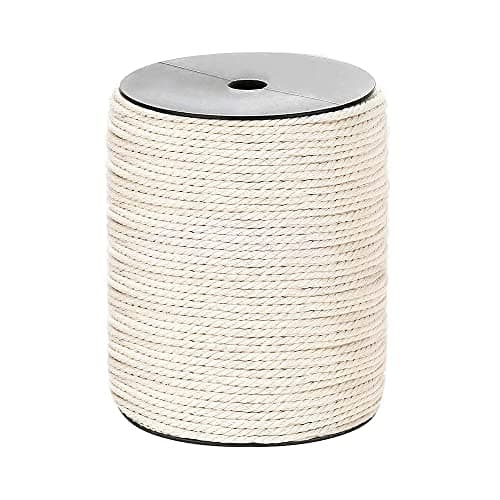
Macrame Cord 2mm x 656Yards(1968Feet)
See price on AmazonSee it on Amazon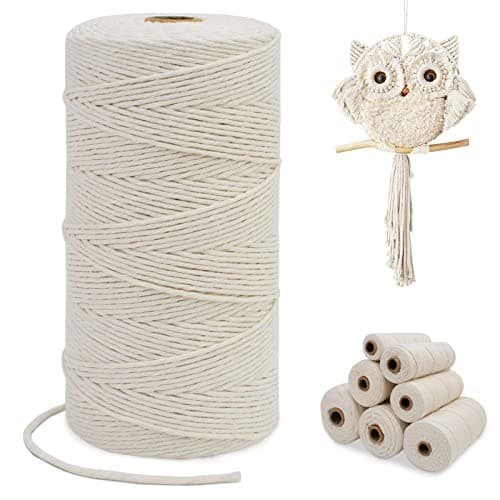
LEREATI Single Strand Macrame Cord 2mm x 220yards
See price on AmazonSee it on Amazon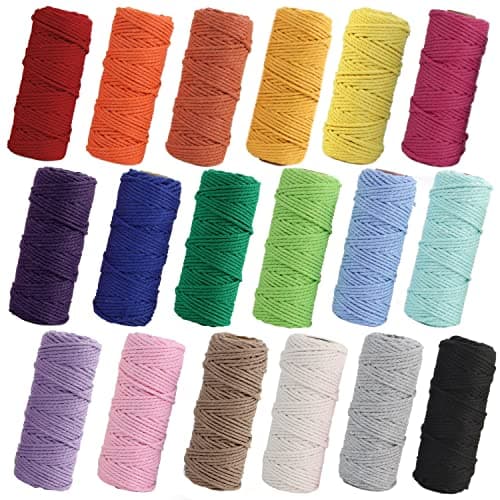
PHUNTTEK Macrame Cord 2mm x 590 Yards 18 Rolls Natural Cotton C...
See price on AmazonSee it on Amazon
Macrame earrings are made by knotting short lengths of 1.5 to 2mm cord onto a small hoop or a stick, brushing or trimming the ends, and hanging the piece from an ear wire with a jump ring. The two easiest styles are a fringe hoop, a ring with lark's head knots and a cut fringe, and a feather drop, a tiny macrame feather stiffened so it keeps its shape. Both take under an hour per pair and use only a few yards of cord. Weight is the thing to watch: an earring that feels fine in the hand pulls on the earlobe after a few hours.
Materials: cord, hoops and findings
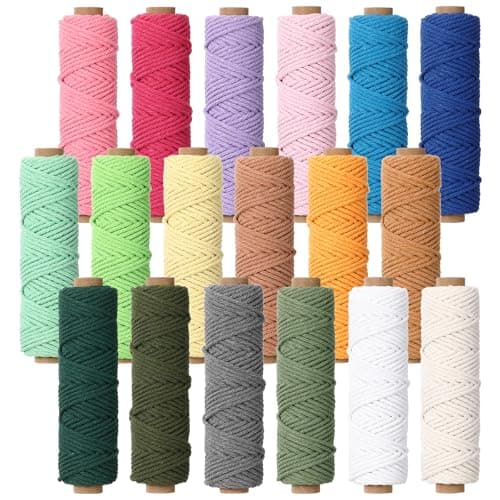
Use 1.5 to 2mm cotton cord. Single strand cord brushes out into the soft, straight fringe most macrame earrings are known for; 3 ply cord gives a wavier fringe and slightly crisper knots. Thicker 3mm cord makes knots that look chunky at earring scale and adds weight. A small color pack is useful because a pair uses so little: a fringe hoop earring takes about 1 to 2 yards of cord per earring.
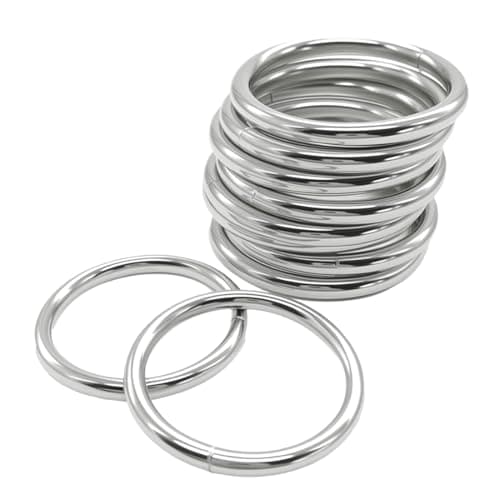
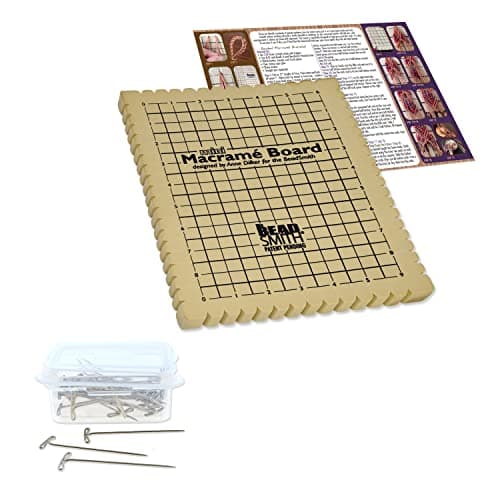
For the base, use metal hoops or rings of about 1 to 1.5 in (25 to 40 mm), or small wooden or brass sticks of about 1.5 in. You also need a pair of ear wires (fish hooks or lever backs), two jump rings of about 6 to 8 mm, two pairs of small pliers to open and close the jump rings, sharp scissors, a fine pet brush or comb, and for feathers a fabric stiffener or white craft glue diluted about one to one with water.
Fringe hoop earrings, step by step
Cut 8 to 12 cords of about 6 to 8 in for each earring. Fold each cord in half and attach it to the lower half of the hoop with a lark's head knot: put the fold behind the hoop, bring the loop forward over the top and pull both ends through it. Push the knots together so they sit side by side and fill the lower curve of the ring, leaving the top third bare for the jump ring.
For a plain fringe, stop here. For a knotted band, tie one row of square knots with groups of four strands just below the lark's heads, then a second row of alternating square knots a little lower, shifting two strands across so the knots interlock. Keep rows tight and close together; at earring scale, a gap of a few millimeters looks like a mistake rather than a design.
Brushing and trimming the fringe
Unravel each strand down to the knots by untwisting it between your fingers, then brush it out with a fine comb or pet brush, holding the knots with your other hand so you do not pull them loose. Single strand cotton brushes out in a minute; 3 ply needs more untwisting first. Brush both earrings the same amount so the fringe has the same fullness.
Trim with sharp scissors while the earring hangs, not while it lies flat, because the fringe settles differently under its own weight. Common shapes are a straight line, a V and a curve that follows the hoop. Cut the first earring slightly long, match the second to it, then take both down together. A light mist of water and a few minutes drying on a hook helps the fringe hang straight before the final trim.
Feather drop earrings
A macrame feather earring is a miniature of a macrame feather. Fold one 6 in cord in half as the spine. Cut 10 to 16 short cords of about 3 in, and fold each in half. Working in pairs, lay the first folded cord under the spine with its loop to the left and the second over the spine with its loop to the right, thread the ends of each through the loop of the other, and pull tight. Push each pair up against the last one until the feather is about 1.5 to 2.5 in long.
Brush all the short ends out completely, then soak the feather with fabric stiffener or diluted glue, press it flat on wax paper and let it dry fully, usually overnight. Once dry, trim it into a leaf or feather shape with sharp scissors. The stiffener is what keeps the earring from going limp and fuzzy after the first wear. Tie the top of the spine to a jump ring and trim the spine ends close.
Attaching ear wires and keeping earrings light
Open a jump ring by twisting the two ends apart sideways with two pairs of pliers, never by pulling them open, which distorts the ring. Thread it through the top of the hoop or the spine loop and through the loop on the ear wire, then twist it closed so the ends meet flush. Check that the earring faces forward when it hangs; if it does not, add a second jump ring to turn it a quarter turn.
Most people find earrings comfortable up to a few grams each. Large hoops with dense double rows of square knots and long fringe can pass that, so keep the hoop small, use 1.5 to 2mm cord, and trim fringe shorter rather than adding knots. Wooden beads are lighter than glass or metal ones for accents. Surgical steel, titanium or niobium ear wires are the usual choice for sensitive ears.
Frequently asked questions
What size cord is best for macrame earrings? 1.5 to 2mm single strand cotton for a soft brushed fringe. Thicker cord makes the knots look bulky at earring size and adds weight.
How do you keep macrame earrings from getting fuzzy? Stiffen feather styles with fabric stiffener or diluted white glue, and store fringe earrings hanging so the fringe does not crush. A quick re-brush and trim brings fringe back.
Can you wash macrame earrings? Spot clean only. Water softens stiffened feathers and can make dyed cotton bleed, so wipe with a barely damp cloth and let them dry hanging.
How much cord do I need for a pair? Usually 2 to 4 yards in total for a pair of fringe hoops, and less for feather drops.