How to Make a Macrame Mirror: Two Methods
Published
Gear for this job
All 7 picks compared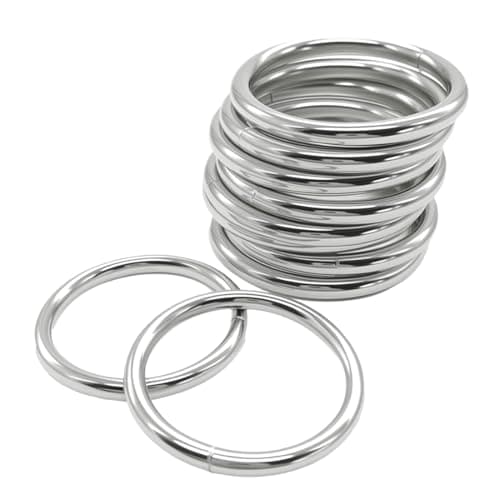
Ewparts welded metal macrame rings, 2 in, 10 pack
See price on AmazonSee it on Amazon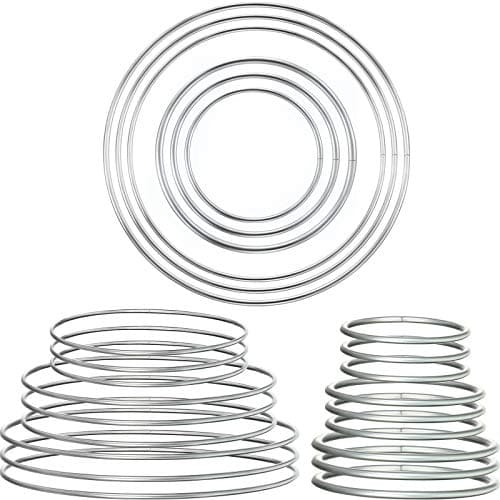
Hotop metal craft hoops, 6 sizes 30 to 160 mm, 24 pcs
See price on AmazonSee it on Amazon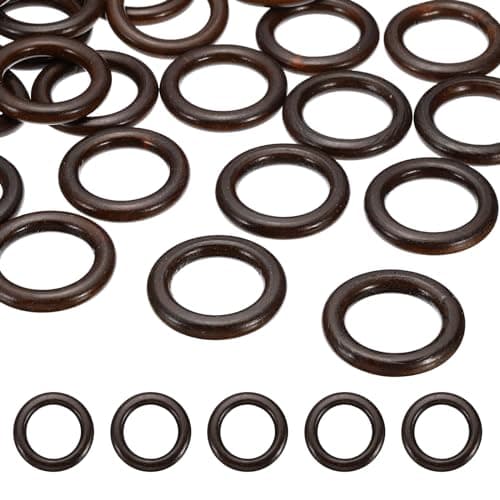
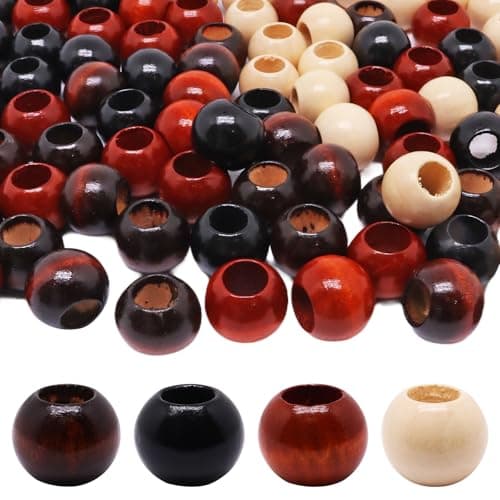
PATIKIL dark brown wooden rings, 50 mm, 30 pcs
See price on AmazonSee it on Amazon
To make a macrame mirror, fix a round mirror to a metal or wooden hoop, attach cords around the hoop with lark's head knots, then knot and brush them into a frame or fringe around the glass. The other common method hangs the mirror in a knotted cradle from a dowel, like a plant hanger for a flat object. Both work with an 8 to 12 in round mirror and 3 or 4mm cord. The part that needs the most care is not the knotting but securing the glass, since a mirror is heavy and breaks if it slips.
Materials and choosing the mirror
Choose a round mirror of 8 to 12 in for a first piece. Craft stores and online shops sell frameless round mirrors in these sizes, and many have a beveled edge, which looks finished when the cord stops short of the glass. Small acrylic mirrors are lighter and safer for a child's room or a door, but they scratch more easily and can distort the reflection.
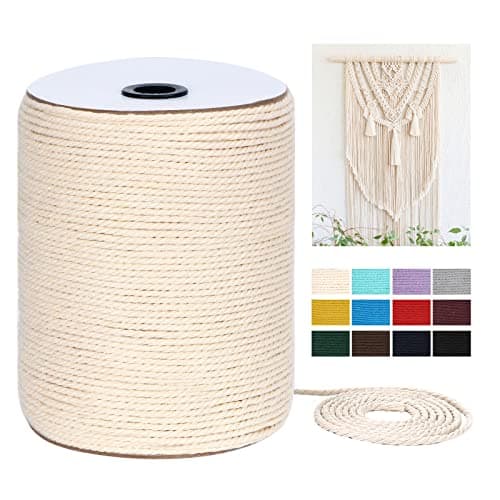
For the frame method you need a metal hoop about 1 to 2 in larger in diameter than the mirror, or a hoop the same size if the mirror will be glued on top of it. Use 3mm cord for a delicate frame and 4mm for a bolder one; single strand gives soft brushed fringe and 3 ply gives crisper knots. You also need mirror adhesive or a strong two part epoxy, a plywood or hardboard backing disk the size of the mirror, sharp scissors, a comb and a sawtooth hanger or a D ring for the back.
Method 1: Mirror on a hoop with a knotted frame
Glue the mirror to the backing disk with mirror adhesive, which is made not to damage the silver coating on the back, and let it cure for the time on the label, usually a full day. Hot glue and many general purpose adhesives can attack the backing and leave dark spots or let the glass slip in a warm room. Then glue or wire the backed mirror inside or on top of the hoop so the hoop forms a ring around the glass.
Cut each cord about 2.5 times the length you want the frame to hang below the hoop for a plain brushed fringe, and up to 4 times if you will knot rows into it; the cords are folded in half. Attach them all around the hoop, or only around the lower half for a half moon look, with lark's head knots packed side by side. Each lark's head takes about two cord widths of the hoop, so a 12 in hoop in 4mm cord takes roughly 100 to 120 cords packed tight all the way round; a half ring takes half that, and spacing them out uses fewer. Count them out evenly by quarters so the frame is balanced.
Knotting and shaping the frame
The simplest finish is a sunburst: leave the cords loose, brush them out fully and trim them into a circle or a soft scallop around the hoop, then mist and press them flat while they dry. For a more structured look, tie a row of square knots around the hoop 0.5 to 1 in out from the lark's heads, then a second row of alternating square knots, and brush out the ends below. Lay the piece flat on a table while you work so the rows stay circular.
On a half ring design, a longer fringe at the bottom, 8 to 15 in, gives the classic boho mirror shape, with a row of wooden beads on some of the strands at the same height. Keep the shape symmetrical from the center bottom outward; trim the fringe last, with the mirror hanging, because the cords settle under their own weight.
Method 2: Mirror hung in a macrame cradle
This method needs no glue on the glass and works for a mirror that already has a thin frame. Mount 8 to 12 cords on a wooden dowel 2 to 4 in wider than the mirror and knot a decorative top section of square knots or a diamond of double half hitches. Below that, leave the cords hanging to the top edge of the mirror.
Knot a net of alternating square knots behind and in front of the mirror, like the basket of a plant hanger flattened out: about two rows in front across the lower third of the mirror so they hold it without covering much of the glass, and a fuller net behind. Gather the cords under the bottom edge with a square knot sinnet or a gathering knot so the mirror sits in the net and cannot slide out. Test the fit with the mirror in place before you tighten the last knots.
Hanging it safely
A 12 in glass mirror with a backing disk and a cotton frame weighs a few pounds, so hang it from a picture hook rated for more than its weight, or from a screw into a stud or a wall anchor. On the frame method, fix a sawtooth hanger or a D ring to the backing disk, not to the cords, so the weight rests on the board. On the cradle method, hang the dowel from a cord loop on a hook rated for the full weight.
Do not hang a glass macrame mirror over a bed or a crib, where a failed hook would drop it onto someone. Keep it out of steamy bathrooms if the frame is cotton, since damp cord sags and can mildew. Dust the fringe with a soft brush or the low setting of a hair dryer on cool.
Frequently asked questions
What glue should I use to attach a mirror to a macrame hoop? Mirror adhesive or a two part epoxy that is safe for mirror backings. Hot glue can let go in warm rooms and some adhesives damage the silver coating.
What size mirror works for a macrame mirror? 8 to 12 in round mirrors are the easiest size to frame. Larger mirrors work but need a stronger hoop and backing.
How much cord does a macrame mirror take? For a full ring frame on a 12 in hoop in 4mm cord, roughly 100 to 120 cords packed tight; for a half ring design, about half that. Each cord is 2.5 to 4 times the fringe length, folded.
Can I use an acrylic mirror? Yes, and it is lighter and safer. Use an adhesive made for plastics and expect it to scratch more easily than glass.