How to Make a Macrame Fruit Hammock
Published
Gear for this job
All 7 picks compared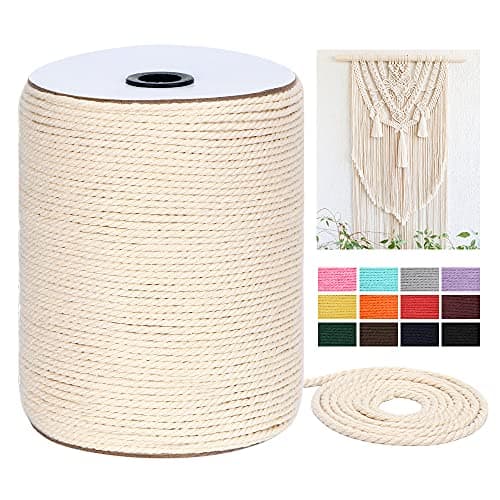
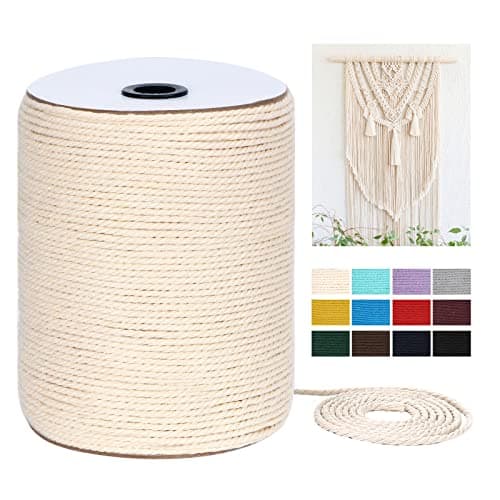
HOMEBOBO 3 strand cotton cord, 4mm x 328 yd
See price on AmazonSee it on Amazon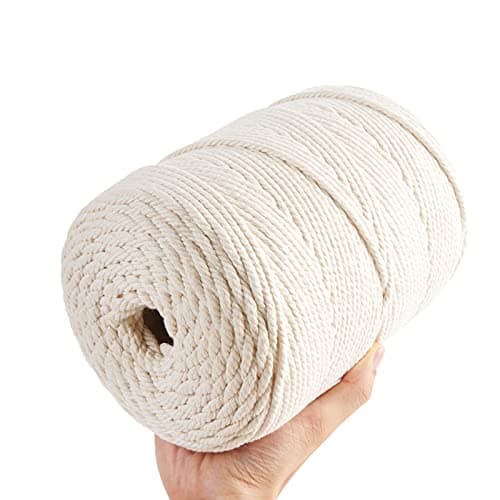
AIFUN 4 strand twisted cotton cord, 5mm x 328 yd
See price on AmazonSee it on Amazon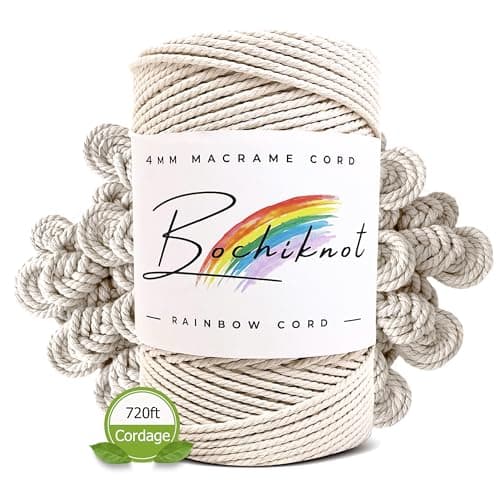
Bochiknot 3 ply cotton cord, 4mm x 240 yd
See price on AmazonSee it on Amazon
A macrame fruit hammock is a small knotted net hung between two hooks, usually under a kitchen cabinet, that holds bananas, citrus and other fruit off the counter. You make it by mounting cords on one ring, knotting a net of alternating square knots about 16 to 20 in long, and gathering the other end onto a second ring. It takes an evening, about 30 to 40 yards of 3 or 4mm cord, and only two knots. The open net lets air reach the fruit, which keeps it from sweating in a bowl.
Size, cord and what to cut
Measure the space first. Most fruit hammocks are 18 to 24 in from ring to ring and hang with a sag of 4 to 6 in in the middle, so the fruit clears the counter by a few inches. Measure the width of the cabinet underside where the two hooks will go, and the height from the cabinet to the counter, before you cut anything.
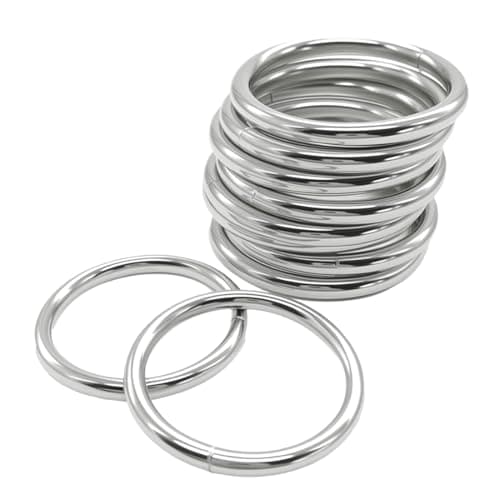
Use 3 ply or braided cotton cord of 3 or 4mm. Twisted and braided cord holds knots firmly under weight and does not stretch much; soft single strand cord sags more over time. Cut 8 cords of about 4 to 5 yards each for a hammock of about 18 to 20 in, and two short cords of about 24 in for gathering knots. You also need two wooden or metal rings of about 1.5 to 2 in, and two small screw-in cup hooks for under the cabinet.
Step 1: Mount the cords on the first ring
Fold all eight cords through the first ring together, so 16 strands hang from it, and tie a tight gathering knot with a 24 in cord just below the ring: lay a loop of the short cord along the bundle, wrap it 6 to 8 times upward, thread the end through the loop and pull the tail until the loop disappears under the wraps. Trim and tuck the ends.
Hang the ring from a hook at about eye level so the strands fall freely. Divide the strands into four groups of four. Tie two or three square knots on each group just below the gathering knot. These short sinnets become the tapered end of the hammock that fans out into the net.
Step 2: Knot the net with alternating square knots
About 2 in below the sinnets, start the net. Take the two right strands of one group and the two left strands of the next group and tie one square knot with them. Do this across all the groups. Because the hammock is flat rather than round, leave the outer two strands on each edge unknotted in this row. In the next row, 1.5 to 2 in lower, go back to the original groupings so the edge strands are knotted again. This alternating pattern forms a net of diamonds.
Continue alternating rows until the net measures about 14 to 16 in. Space the rows evenly with a tape measure; uneven gaps are what make a homemade net look untidy. Larger gaps of 2.5 to 3 in are fine for oranges and apples, while smaller fruit such as limes or apricots needs gaps of 1.5 in or less so nothing drops through. Spread the net sideways as you go to check the diamonds are opening evenly.
Step 3: Close the far end on the second ring
Below the last row of the net, tie two or three square knots on each group of four again to mirror the first end. Then pass all 16 strands through the second ring from front to back, fold them up over the ring, and tie a gathering knot with the second 24 in cord around the folded strands just below the ring, so the ring is locked into the fold.
Before you tie that knot, pull the strands so the net is the length you want and both edges are the same length. Trim the leftover ends into a short tassel of 3 to 6 in under the gathering knot, or trim them close and tuck them inside the wraps for a cleaner look in a small kitchen.
Hanging it under a cabinet
Screw two cup hooks into the underside of the cabinet, spaced a little less than the length of the hammock so it sags into a shallow cradle. Cabinet bottoms are often thin, so use short screws that will not come through into the shelf, and keep the hooks near the front frame or side panels where the wood is solid. Hang the rings on the hooks and load a few pieces of fruit to check the sag before you fill it.
A full hammock of bananas and citrus can weigh several pounds, which is why 3 ply or braided cord and tight gathering knots matter. Cotton absorbs moisture and can stain from ripe fruit, so wash the hammock by hand in mild soapy water every so often and dry it fully before rehanging. Keep it away from the stove, where grease and heat discolor cotton quickly.
Frequently asked questions
How long should a macrame fruit hammock be? About 18 to 24 in from ring to ring, hung so it sags 4 to 6 in. Measure the cabinet width and the clearance to the counter first.
What cord is best for a fruit hammock? 3 or 4mm 3 ply or braided cotton. It holds knots under weight and stretches less than single strand cord.
Can I hang a fruit hammock without a cabinet? Yes. Hang it from two wall hooks, a shelf bracket or a single ceiling hook with both rings on it, which turns it into a hanging basket.
Does a fruit hammock keep fruit fresh longer? It keeps fruit off the counter and lets air circulate, so pieces bruise less and do not sweat against each other as they can in a bowl.